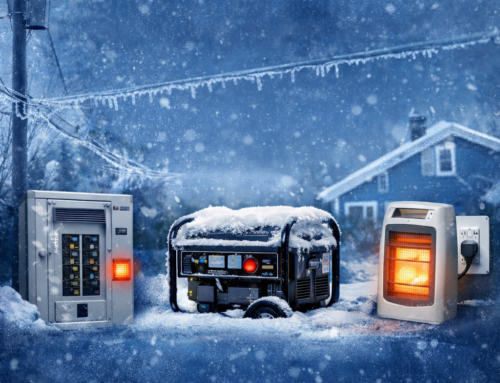
Winter storms can push power systems to their limits, and extended outages are becoming more common across North Carolina. If you’re a standby generator owner, especially a Generac customer, knowing how your system operates during long outages—and how to monitor it safely—can make all the difference.
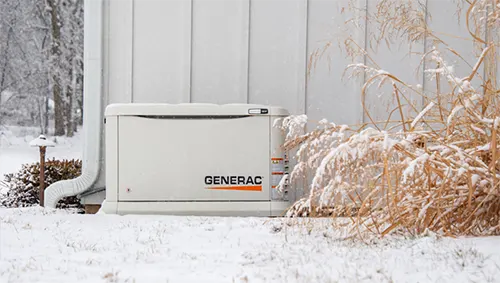
Can My Generac Run Continuously?
Yes. Your Generac standby generator is designed to run continuously during an extended outage as long as it is operating normally and has a reliable fuel supply (propane or natural gas). There is no preset “maximum run time,” but safe operation depends on a few critical factors.
Key Things to Monitor During a Long Outage
Fuel supply
-
Confirm propane tank levels or that natural gas service is active
-
Fuel interruptions are the most common cause of shutdowns during storms
Electrical load
-
Larger loads mean the generator works harder
-
Avoid unnecessary power usage when possible
Oil level & maintenance
-
Generac owner manuals recommend checking oil approximately every 24 hours of continuous run time
-
If oil is low, shut the unit down and allow it to cool before adding oil
-
We recommend Mobil 1 5W-30 full synthetic oil
Airflow & clearances
-
Keep snow, ice, and debris cleared from the generator enclosure
-
Proper ventilation prevents overheating
System alerts
-
Watch for warning lights or alarm messages
-
Listen for unusual noises, leaks, or signs of overheating
If you notice alarms, leaks, overheating, or anything that doesn’t seem right, shut the unit down and contact a qualified service provider once conditions are safe.
Important Storm-Service Reminder
During severe winter weather and immediately following a storm, service access may be limited due to road conditions and safety concerns. Before calling for service, please:
-
Verify fuel availability
-
Confirm there is no utility-side natural gas outage
-
Check for visible alerts or alarms on your generator
These steps help us prioritize true mechanical emergencies once travel is safe.
Our Recommendation
Preparation is everything. Know your fuel status, check oil daily during extended runs, keep the area clear, and pay attention to your generator’s signals. These simple steps help protect your equipment—and your home—when you need it most.