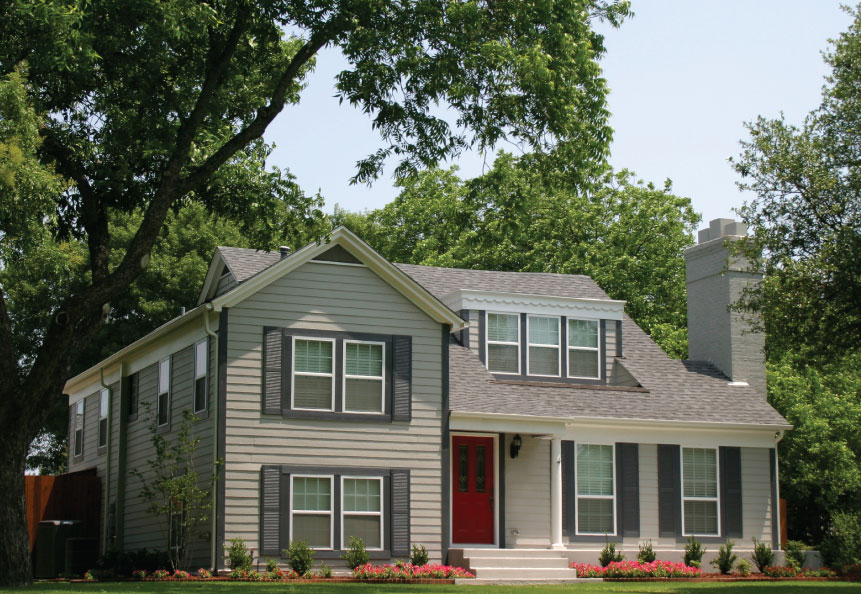
Many homes across Raleigh, Wake Forest, and Rolesville were built decades ago—long before today’s electrical demands became the norm. While these homes often have charm and solid construction, their electrical systems may not be equipped to safely support modern living without updates and ongoing maintenance.
Understanding the condition of an older home’s electrical system—and knowing when inspections or upgrades are needed—is one of the most important steps homeowners can take to protect their property and the people living in it.
Common Electrical Issues in Older Homes
Electrical systems installed 30, 40, or even 60 years ago were designed for far fewer appliances and lower overall usage. Over time, wear, aging materials, and evolving safety standards can create hidden risks.
Common concerns include:
-
Outdated electrical panels with limited capacity
-
Wiring that has deteriorated or lacks proper grounding
-
Insufficient outlets leading to overuse of extension cords
-
Circuits that are overloaded by modern appliances
-
Older safety components that no longer meet current code
These issues don’t always cause immediate failures—but they can increase the risk of outages, equipment damage, or electrical hazards over time.
Why Electrical Inspections Are Essential
An electrical inspection provides a clear picture of how safely your system is operating today—not how it performed when the home was built.
A professional inspection can:
-
Identify aging or damaged wiring
-
Detect overloaded circuits or improper connections
-
Evaluate panel capacity for modern electrical loads
-
Spot safety concerns before they escalate
-
Provide recommendations for improvements or upgrades
For older homes in the Raleigh area, inspections are especially important after years of increased electrical use from home offices, updated HVAC systems, electric vehicles, and smart home technology.
Important Upgrades for Older Electrical Systems
Not every older home needs a full electrical overhaul—but many benefit from targeted upgrades that improve safety, reliability, and performance.
Common upgrades include:
-
Electrical panel upgrades to support modern power demands
-
Grounding improvements to enhance safety
-
Additional circuits or outlets to reduce overload risks
-
Surge protection to protect appliances and electronics
-
Lighting and switch upgrades that improve efficiency and usability
These updates help bring older systems closer to today’s standards while preserving the character of the home.
The Value of Ongoing Electrical Maintenance
Electrical systems aren’t “set it and forget it.” Just like HVAC or plumbing, they benefit from routine attention—especially in homes with aging infrastructure.
Ongoing maintenance helps:
-
Extend the life of your electrical system
-
Reduce unexpected failures or outages
-
Catch small issues before they become costly repairs
-
Support safe operation during high-demand seasons
For homeowners in Wake Forest and Rolesville, proactive maintenance is often far less expensive—and far less stressful—than emergency repairs.
A Smart Step for Older Homes
If your home is more than 25–30 years old and hasn’t had a recent electrical inspection, now is a smart time to take a closer look. Whether you’re planning renovations, adding new appliances, or simply want peace of mind, understanding the condition of your electrical system is an investment in safety, comfort, and long-term value.