When an ice storm moves through Central North Carolina, it doesn’t take long for downed trees, frozen power lines, and outages to follow. For homeowners in Raleigh, Wake Forest, Rolesville, and North Raleigh, winter weather brings a unique set of electrical risks—especially in neighborhoods with mature trees and older infrastructure.
A little preparation can go a long way in protecting your home, your family, and your electrical system before the ice arrives.
Why Ice Storms Are Hard on Electrical Systems
Unlike snow, ice adds weight. Heavy ice accumulation can pull down power lines, snap tree limbs onto service drops, and cause sudden outages. When power is restored, electrical surges can damage appliances, panels, and sensitive electronics.
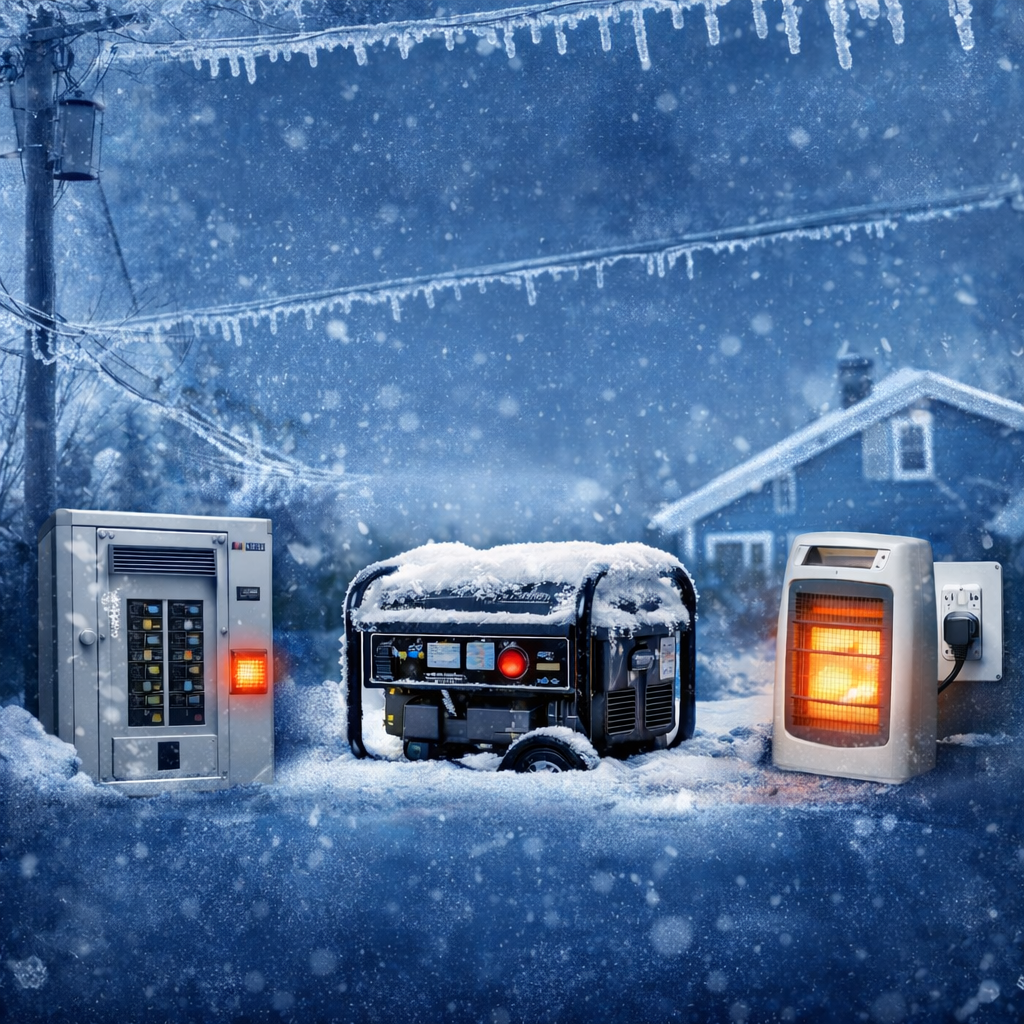
Steps to Prepare Your Home Before the Storm
1. Reduce Electrical Load
During freezing weather, homes use more electricity than usual. Space heaters, heat pumps, and emergency lighting all add strain.
-
Avoid running multiple high-draw devices on the same circuit
-
Plug space heaters directly into wall outlets—never power strips
-
Unplug non-essential electronics before the storm
2. Inspect Extension Cords and Outlets
Damaged cords become a serious fire hazard in cold, dry conditions.
-
Replace frayed or cracked cords
-
Never run cords under rugs or through doorways
-
Avoid daisy-chaining power strips
3. Check Your Electrical Panel
Your panel is your home’s control center.
-
Make sure breakers are clearly labeled
-
Watch for buzzing, burning smells, or frequent tripping
-
Older homes in the Raleigh area may not be designed for modern winter loads after a storm.
4. Prepare for Power Outages
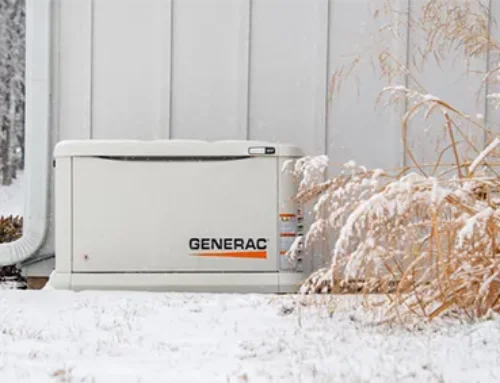
If you rely on a generator:
-
Confirm fuel supply (natural gas or propane)
-
Clear ice-prone areas around vents and intakes
-
Test the system before the storm hits
Never backfeed power through outlets—this is extremely dangerous and illegal.
5. Plan for the Power Restoration Surge
When electricity comes back on, voltage spikes can occur.
-
Use whole-home or point-of-use surge protection
-
Wait a few minutes before turning major appliances back on
When to Call a Licensed Electrician 919.556.3158
Call a professional if you notice:
-
Repeated breaker trips
-
Warm outlets or switch plates
-
Burning or electrical odors
-
Partial power loss in parts of the home
Preventative inspections before severe weather are often far less costly than emergency repairs after a storm.